
Pressure Treated Lumber Buying Guide For Homeowners & Contractors
Key Takeaways:
Whether used for professional construction projects or DIY endeavors, pressure treated lumber brings several benefits, including:
- Superior moisture resistance
- Enhanced decay resistance
- Resistance to insect damage
This practical solution for outdoor projects is a real winner as long as its grades and dimensions match the application they are meant for. Discover how to choose the right pressure treated lumber type in our guide.
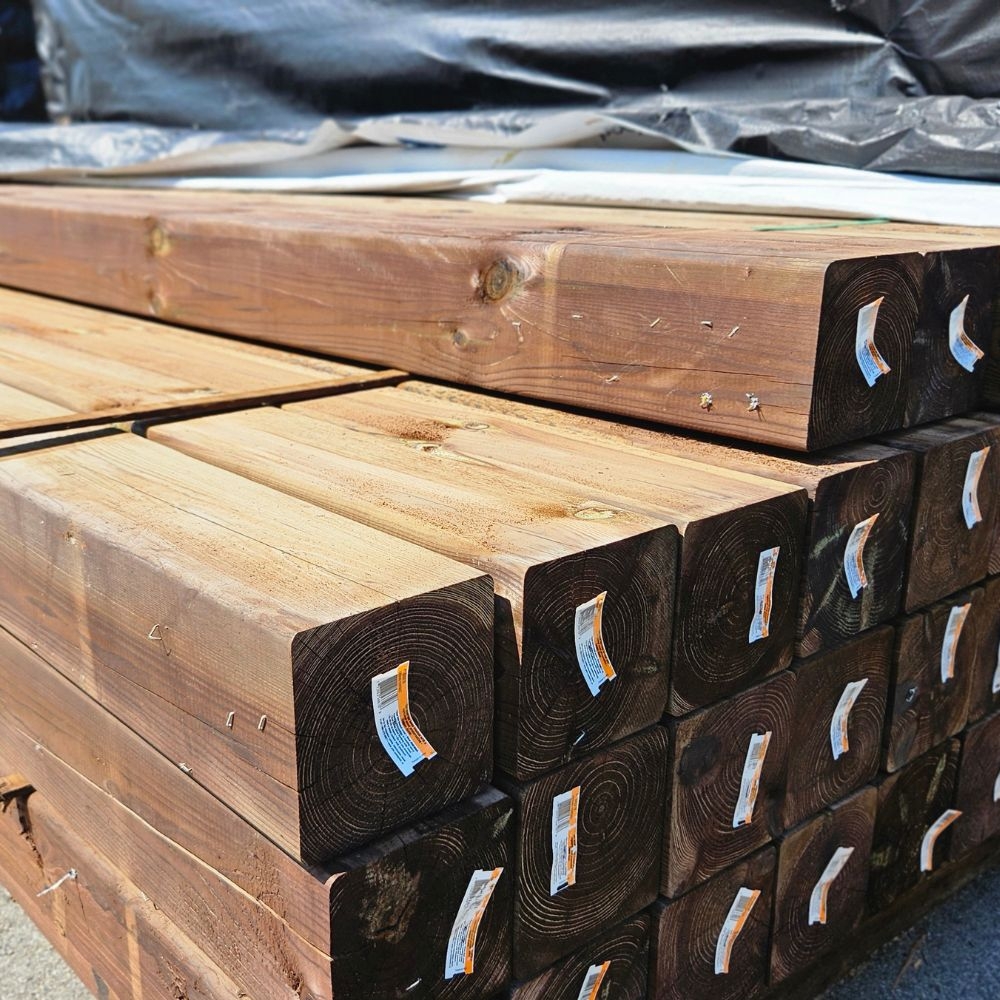
When it comes to outdoor projects, nothing beats the strength and longevity of pressure treated lumber. Tough from the inside out, the very fibers of pressure treated lumber boards are injected with preservative chemicals to enhance their lifespan and durability.
They are generally manufactured under highly controlled conditions, featuring treatments that protect them against moisture, insect damage, and premature decay. In fact, modern boards might even resist fungus, making them a popular choice among DIYers and professionals alike.
If you are planning to get pressure treated lumber for your project, you have come to the right place. Today’s blog from Fonthill Lumber Inc., Welland’s largest lumber yard, is a handy guide to pressure treated lumber selection that both homeowners and contractors can use. So let’s begin!
Where Should Pressure Treated Lumber Be Used?
While professionals are already familiar with the best applications of pressure treated lumber, homeowners might not be. Here is what this type of wood is commonly used to build:
Decks and patios
The suitability of pressure treated wood products for outdoor projects is undeniable. Their ability to resist the effects of moisture in particular makes them a great choice for outdoor decks and patios.
However, before using them for framing or other similar projects, make sure you get the correct treatment category for its location and moisture exposure. That will ensure the long-term performance and durability of your decks and patios.
Fences and gates
Gates and fence posts are subjected to ground and weather exposure on a daily basis, requiring the use of materials that can withstand their environment’s elements without breaking down. Pressure treated wood products can as long as they are specifically rated for ground contact.
Pergolas and gazebos
Leisure outdoor structures such as pergolas and gazebos frequently use chemically treated lumber for posts, beams, and other framing components to extend their lifespan in environments with high moisture content.
Raised garden beds
Landscaping applications also fall under the umbrella of treated lumber uses. That said, only boards rated for ground-contact based applications should be used here. Raised garden beds are constantly in touch with soil; hence, the lumber used to construct them should resist moisture, insect, and fungal damage reasonably well.
Retaining walls
Ground contact and moisture exposure are part of the everyday life of retaining walls, and that is exactly why lumber approved for ground-contact applications is used to build them.
Structural framing exposed to moisture
The fact of the matter is, any kind of construction project where moisture exposure is pretty much the norm stands to gain the benefits of exceptional performance and longevity with pressure treated lumber.
Understanding Pressure Treated Lumber Grades and Categories
Now that we have already discussed the best use cases of pressure treated wood products, let’s move on to the grades and categories they are commonly found in. Understanding each of them can help in the selection of the most appropriate materials for your project:
Above-ground treated lumber
Above-ground treated lumber is engineered for applications that are regularly exposed to moisture but do not come in contact with the ground or soil. They are commonly used to build decks, patios, or raised fences.
Ground-contact treated lumber
As the name suggests, ground-contact treated lumber is meant for projects that are either very close to the soil or in direct contact with it. These are treated to withstand substantial amounts of moisture exposure, which makes them perfect for deeply grounded fences, garden beds, and other similar projects.
Appearance grades
These grades are known for their visual characteristics. Aesthetically appealing, they are used for projects that prioritize a flawless finish, thanks to their minimal knots, blemishes, and cosmetic imperfections.
Structural grades
Stronger than your average pressure treated board, these are specifically manufactured to meet the load requirements of structural applications, such as framing, building subfloors, etc.
Selecting the correct treatment level
Ultimately, the location and application of a particular project determine which treatment level would be suitable for them. For example, above-ground applications can make do with lumber that is not treated for heavy moisture exposure.
Meanwhile, ground contact applications or structural projects might require different treatment levels altogether. Syncing the project’s requirements with the lumber’s properties is key to getting it right.
Factors to Consider Before Buying Pressure Treated Lumber
Now, treatment options are just one facet of the purchase process when it comes to pressure treated lumber. Other factors play a crucial role too, and the following characteristics of quality construction lumber must be considered before money is exchanged:
Wood species
The species of the lumber you choose can influence its strength and long-term performance. In fact, it also determines its workability, appearance, and dimensional characteristics, making it an important factor to consider along with the treatment category of the lumber concerned.
Moisture content
Did you know freshly treated lumber is more likely to contain a higher level of moisture than wood that has been previously treated? In fact, as the lumber dries, its dimensions are likely to change too. That’s why understanding its exact moisture content is necessary before making a purchase.
Dimensions and sizing
Board dimensions should be based on the overall structural requirements and design of the project. Selecting appropriately sized boards minimizes field cuts and modifications while improving the stability and support for the structure concerned, whether it’s a deck, fence, staircase or any other structure.
Fasteners and hardware compatibility
Pressure treated lumber might demand the use of specific types of fasteners and hardware. For example, corrosion-resistant fasteners are considered most compatible as they prevent premature corrosion and connection failures.
Budget considerations
Of course, price should be an important factor too. However, it should be evaluated against the level, grade, dimensions, expected service life, and application of the board to ensure it delivers real value, irrespective of its price tag.
Expected maintenance requirements
Even though pressure treated lumber is durable by default, it still requires maintenance to preserve its performance. Buyers should ask the lumber yard they are working with about its specific maintenance requirements, including cleaning, inspection, and staining frequencies.
Local climate and environmental exposure
Weather conditions such as rain, snow, humidity, temperature changes, and soil conditions can also impact the longevity of treated wood. Therefore, they should be considered as essential criteria when purchasing construction materials for outdoor projects.
Common Mistakes When Purchasing Pressure Treated Lumber
Falling prey to common pressure treated lumber myths can often lead to the selection of the wrong products. That is why all buyers should beware of the following mistakes:
Choosing the wrong treatment category
Purchasing above-ground material for ground-contact applications is one of the most common buying mistakes that can be easily avoided by consulting with the sales representative of your lumber yard and carefully reading the labels affixed to the boards.
Ignoring moisture content
As the moisture content of a piece of lumber reduces with time, its dimensions can change. Shrinkage is a real issue with most boards and can influence its joints and finishing as well. That’s why you should never ignore a board’s moisture content.
Using incorrect fasteners
Standard hardware can quickly introduce corrosion-related damage, affecting the performance of pressure treated lumber. This necessitates the importance of using compatible fasteners only.
Selecting appearance over structural performance
A straight, nearly flawless board might look attractive but it may not have the properties required to withstand rigorous environmental exposure. Unless aesthetics are the only thing that matters for a project, straighter boards should not be the sole selection criteria. Other important factors such as wood species, load capacities, moisture content etc. should play a role too.
Skipping project planning
Planning lumber purchase around the specifications and design requirements of your project ensures appropriate selection.
Tips for Contractors Purchasing Pressure Treated Lumber in Bulk
Bulk purchases require planning of their own. So if you are a contractor planning to get a truckload of lumber for your project, you can either go through our lumber selection guide or read the tips below. We recommend doing both!
Estimating project quantities accurately
Check your project’s blueprints to determine exactly how much lumber is needed for its successful completion. Account for cuts, waste, and damaged pieces to ensure you have enough usable lumber onsite.
Verifying lumber quality before delivery
Check purchased boards for cracks, uneven dimensions, frayed edges, and other physical damage before loading them onto your truck. Consistency is key to quality.
Proper storage on the job site
When pressure treated lumber arrives on your job site, make sure it is stored in a way that prevents damage. Best practices include keeping it aboveground and covering it to protect it against environmental damage. That said, make sure the covering offers enough ventilation and that boards are stored away from busy working areas.
Coordinating material deliveries
By scheduling delivery of pressure treated lumber boards exactly when you need them, you can minimize the odds of on-site damage while keeping your working area clean and clutter-free.
Reducing material waste
Plan each cut as carefully as possible to prevent excess material waste. Check if you can use shorter pieces without violating your project’s compliance requirements or specifications.
Maintaining Pressure Treated Lumber for Long-Term Performance
This section applies to both homeowners and contractors. Both of them should do their bit to ensure the finished space or structure retains its performance in the long run.
Allowing lumber to dry before finishing
Giving newly treated lumber some time to dry before staining or painting it ensures it gets enough time to acclimatize to local environmental conditions. Contractors must always follow the manufacturer’s instructions before finishing their projects.
Cleaning and routine inspections
As for homeowners, it is important to keep your decks, patios, fences, etc. as clean as possible. Regular visual inspections can also help you spot visible signs of damage such as cracks, corrosion, decay, etc., signalling repairs or replacement. Addressing these issues promptly can help you preserve the lifespan of your structure.
Applying stains and sealers
Regular staining and sealing of installed lumber can extend its lifespan, improve its appearance, and protect it from the effects of the weather.
Pressure Treated Lumber vs Other Construction Lumber Options
It may happen that pressure treated lumber might not be the best choice for your project. In such circumstances, contractors can consider the following lumber products as viable alternatives:
Pressure treated vs untreated lumber
Untreated lumber might be suitable for interior applications that are not exposed to moisture, giving it an edge over pressure treated lumber, which is the best choice for outdoor projects.
Pressure treated vs cedar
Cedar’s natural resistance to decay, moisture, and insect damage makes it a great choice for projects that demand a strong balance between performance and aesthetics. However, pressure treated lumber is generally more durable.
Pressure treated vs engineered wood
Engineered wood products can be used for structural projects, particularly framing applications. As for treated lumber, it is still the best choice for outdoor projects.
Conclusion
Pressure treated lumber is, hands down, one of the best construction materials for outdoor projects. If you need help in selecting the most appropriate treatment type, grade, species, and size of pressure treated lumber for your project, turn to us. Fonthill Lumber Inc. houses a wide variety of pressure treated wood products in its Welland, Ontario lumber yard. Contact us to receive expert guidance along with access to superior lumber solutions.
FAQs
What is pressure treated lumber used for?
Pressure treated lumber is primarily used for outdoor applications where protection against moisture and insect-related damage is a priority.
Can pressure treated lumber be used indoors?
Yes, it can be used in moisture-exposure-heavy zones such as kitchens, washrooms, etc. However, it is still not the first choice for interior applications.
How long does pressure treated lumber last outdoors?
With proper maintenance and appropriate selection practices, structures made of pressure treated lumber can last for decades. However, there is no fixed lifespan for each of them, and the individual conditions of the structures may influence their longevity.
What fasteners should be used with pressure treated lumber?
Only compatible, corrosion-resistant fasteners should be used to connect pressure treated lumber boards.
Do I need to seal or stain pressure treated lumber?
While it is not necessary, appropriate finishing, staining, or sealing can definitely extend the performance and lifespan of your project.
