
7 Characteristics of High-Quality Construction Lumber
From framing homes to buildings, lumber is used for a variety of applications. Despite the central role they play in construction, many contractors end up settling for lower-quality materials to finish their project within budget. However, mid-job lumber replacements can actually drive up project costs and lead to delays.
That is why it is critical to invest in high-quality lumber. Unfortunately, to the untrained eye, all wooden construction products look similar, increasing the potential of a bad investment. To prevent this, today’s blog from Fonthill Lumber Inc. – Ontario’s top lumber yard, will highlight the characteristics of high-quality lumber so builders can learn how to choose right.
What Are The Identifiable Traits Of Reliable Lumber?
High-quality construction lumber is critical for the lasting structural performance of any build. It also speeds up installation efficiency and prevents costly reworks. Here’s how contractors can tell if they have high-quality lumber onsite:
Straightness and consistency
How straight the lumber is is probably the most obvious sign of its quality. Top-notch boards are free of issues such as warping, bowing, twisting, cupping, or crooking. If any of these problems are found, contractors can expect alignment issues and increased labor costs to fix them. On the flipside, using straight boards ensures perfect alignment and easy installation.
Right moisture content
It’s a common misconception that lumber should be absolutely free of moisture for lasting performance. On the contrary, extremely dry lumber is brittle and more prone to splitting if not handled carefully. Ideal construction lumber typically features a moisture content of 15% to 19%, which guarantees its dimensional stability and minimal movement over time. It is important to note here that lumber with excessive moisture is more likely to shrink, twist or warp with time.
Minimal knots and visible defects
While knots are natural and can elevate the appearance of wood, excessive or out-of-place knots generally denote weak structural performance. High-quality lumber is known for having smaller knots with fewer splits, checks, and very little edge damage. So when purchasing timber, builders should inspect it for cracks, decay, insect damage, and manufacturing defects. If it’s devoid of all of them, it’s good to go.
Consistent grain patterns
The strength of construction lumber is determined by its grain patterns. The stronger and more consistent they are, the straighter the boards will be. In fact, wood with dense grain patterns offers superior load-bearing capacity, resists splitting and is more structurally reliable. On the other hand, irregular grain patterns indicate weakness. Such boards are more likely to shift under the influence of environmental stressors.
Accurate dimensions
This is where partnering with a reliable lumber yard helps. They have the expertise required to carefully select premium timber, which is then manufactured to ensure consistent dimensions all across, irrespective of the size of the order. Accurate sizing is critical for precise framing. It also reduces installation adjustments and prevents material waste while improving structural alignment.
Correct lumber grade
Lumber grade is an indicator of its strength and best applications. When purchasing lumber, contractors will have to make a choice between Select Structural and No. 1 and No. 2 grades. Choosing the most appropriate among them depends on the lumber’s intended use. For example, No. 1 lumber is used for framing, flooring, and other structural work. Meanwhile, No. 2 lumber is used for walls, sill plates, decks, fences, etc.
Safe handling and delivery
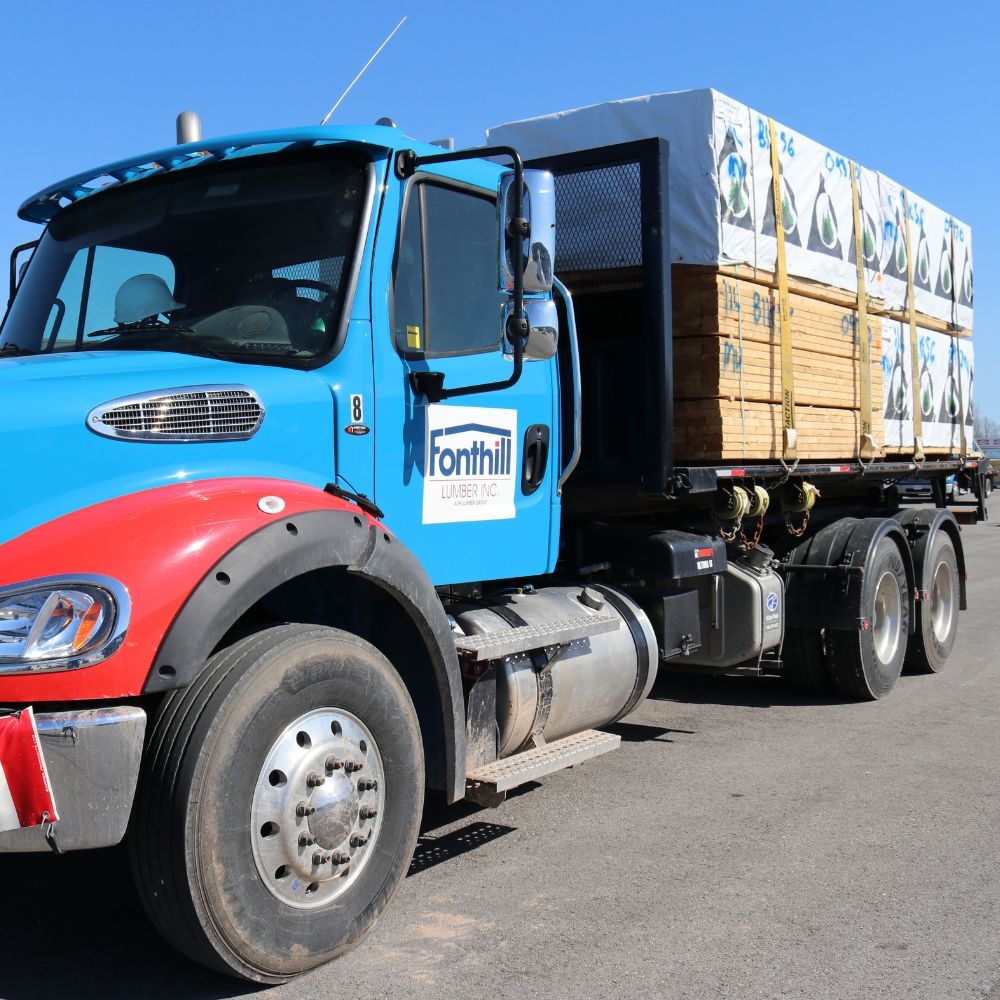
Dependable lumber yards have another thing in common – they follow the best storage, handling, and delivery practices to ensure construction wood is not damaged in transit. Quality suppliers safeguard their lumber products against excessive moisture, direct ground contact, physical damage, and prolonged weather exposure by storing them in cool and dry places. This helps preserve their structural integrity so they can be safely used for load-bearing applications.
Conclusion
With high-quality construction lumber, builders can improve installation efficiency and long-term project performance. The key to enduring construction lies in selecting straight boards with optimal moisture levels, superior grain patterns, and fewer knots. However, achieving this requires collaborating with a reputable lumber yard.
Fonthill Lumber Inc. is Welland’s most reliable lumber yard. Our timber products are widely used in construction projects across Ontario. Contact us to get construction material that minimizes waste and reduces installation challenges.
FAQs
Which species of wood are commonly used to make construction lumber?
Wood from trees such as spruce, pine, and fir is commonly used to make construction lumber.
Can construction lumber be used outdoors?
Although it can be used, pressure-treated lumber is strongly recommended for outdoor applications due to its weather-resistant properties.
How should construction lumber be stored onsite?
The best way to store construction lumber onsite is to keep it flat, elevated and off the ground in a well-ventilated yet protected area that is not exposed to nature’s elements.
