

Working With MDF? Avoid These 5 Mistakes At All Costs
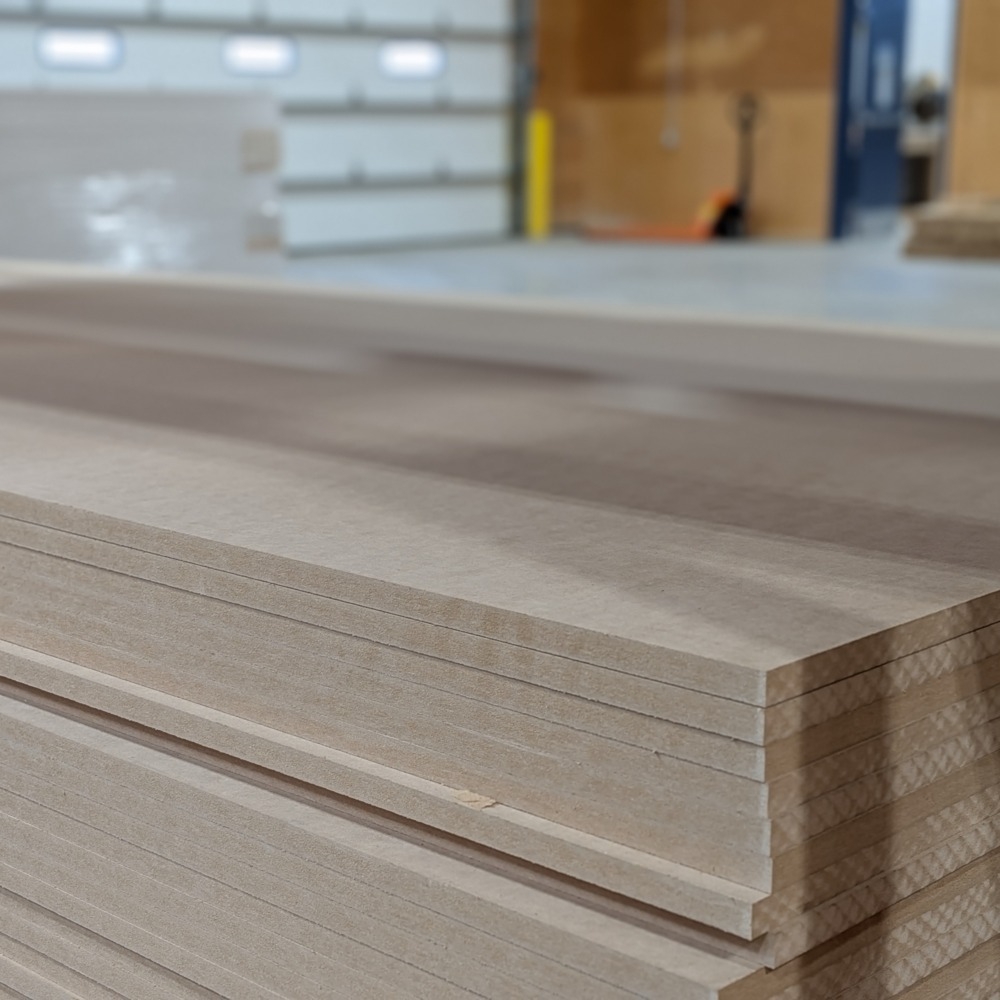
MDF or medium density fiberboard is a great choice for contractors working on the interiors of a project – whether it’s a renovation or a new build. Its natural flexibility and versatility make it great for cabinetry, furniture, and interior finishing.
However, working with MDF requires a little extra tact and care. After all, it is not as rigid as plywood or solid wood, which means it is easier to make a few common mistakes. That said, builders have nothing to worry about as this guide from Fonthill Lumber Inc. – Ontario’s most trusted lumber yard for 75 years, is about to shed light on common MDF mistakes and how to avoid them.
What Are Some Common MDF Mistakes & How To Avoid Them?
Smooth, dimensionally consistent, and affordable, MDF continues to be a popular choice for interior work. However, to ensure it delivers the kind of aesthetic performance contractors envision, they must steer clear of the following mistakes:
Mistake #1: Choosing the wrong MDF type
Many new contractors do not know, but this MDF does not come in a single variety. In fact, it comes in a couple of grade types, which include standard MDF (used for interior work) and moisture-resistant MDF (used outdoors or in moisture-prone areas of a home such as the washroom).
Making a mistake when choosing MDF type can affect its fit, finish, and endurance. That is why it is better to match the MDF type with its installation requirements. Moisture-graded variants are best for kitchens, bathrooms, and laundry rooms, while the standard version is great for furniture, trims, shelving, and decorative millwork.
Mistake #2: Skipping surface prep before installation
Even though MDF features a smooth surface by default, it still needs to be prepared properly for painting, finishing, or staining. Skipping this step can lead to uneven results that look rough or have visible streaks in them, thereby ruining their aesthetics.
To prevent this from happening, the cut MDF should be first cleaned of dust before finishing begins. Furthermore, its exposed edges should be appropriately sanded and then sealed to ensure a smooth and even finish. Prepping the board for painting hides visible blemishes while ensuring professional results.
Mistake #3: Using the wrong cutting tools
When working with MDF, the cutting stage is a hotbed for potential issues. Many contractors unknowingly use dull blades or coarse-toothed saws, thinking they might be good enough for the pliable nature of MDF sheets. However, the wrong tools often lead to excessive wear-out, chipped edges, and rough finishes, which often demand extra sanding to fix at the expense of material waste.
To get the smoothest cuts, contractors should use carbide-tipped blades with a high tooth count. Their razor sharpness keeps edges clean and crisp. It is best to provide larger sheets with proper support during the cutting process to prevent unnecessary breakage, edge damage, and material waste.
Mistake #4: Overdriving screws and fasteners
Unlike solid lumber, which can handle a hammering without splitting, MDF is much more likely to split if screws are driven into it carelessly. Its dense fiber core can weaken over time, affecting the endurance of the entire installation. Furthermore, installing screws too close to their edges or overtightening them can also contribute to damage.
The best way to keep such damage at bay is to pre-drill plot holes into sheets. Not only does this reduce stress-related damage, but it also guarantees proper fastener placement. Builders should also choose screws that have been specifically designed for MDF to improve grip and ensure a stronger hold.
Mistake #5: Not sealing exposed edges
Leaving exposed edges untouched can make MDF prone to moisture damage. As it absorbs moisture from the air, it will likely swell or become rough, resulting in premature deterioration.
A quick fix to this problem is to apply primer, paint, edge banding, or an appropriate sealant on the exposed edges. This protects MDF’s internal fibers, ensuring a smooth finished appearance.
Conclusion
Avoiding these common MDF mistakes is all it takes to deliver professional results that last. By using proper cutting, finishing, and fastening techniques, contractors can ensure stronger assemblies and cleaner finishes.
Looking for premium MDF materials for your project? Fonthill Lumber Inc.’s Welland, Ontario lumber yard is home to a wide selection of sturdy and smooth MDF products suitable for a wide variety of interior finishing projects. Contact us to get the best and most reliable construction materials.
FAQs
Can MDF hold heavy shelves?
While MDF is an excellent shelving material, the span of the shelf and its loads should be considered before using it for heavy shelves. The resultant shelf should also be well-designed, adequately supported, and appropriately fastened.
Can MDF be painted without primer?
It is not recommended. Applying a coat of primer is necessary to enhance paint adhesion and ensure an even finish.
Is MDF suitable for CNC routing and decorative machining?
Yes. MDF’s uniform density makes it a great choice for CNC machining work, enabling the creation of detailed and precise profiles.
