
MDF In Interior Finishing: When To Use & When To Avoid
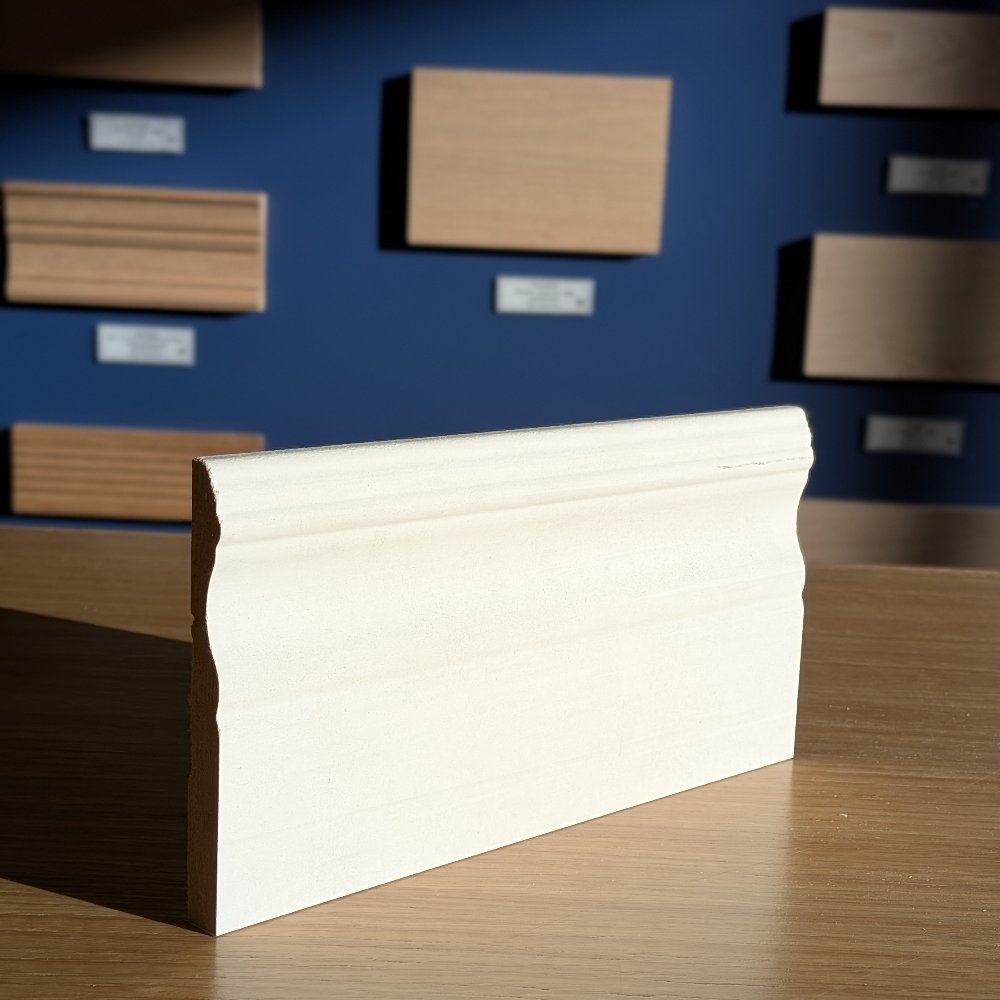
MDF or medium-density fiberboard is a popular choice for interior work. From trims to cabinetry, shelving, and wall panels, it can be used to build a host of items that retain their strength and aesthetics in the long run.
The key is to cut, sand, and finish MDF right – and to know when to use it and when to avoid it. Despite its versatility, MDF might not always be the best material choice for all kinds of interior projects.
In today’s blog, Fonthill Lumber Inc., suppliers of premium engineered wood products in Ontario, will guide contractors through the best use cases of MDF.
What Are The Best Applications Of MDF In Interior Finishing?
MDF is the best choice for a wide variety of interior work, which includes:
Cabinetry and built-in units
Whether it’s the door, panels, or other components of built-in wardrobes and cabinets, MDF is a great option to build household items that demand clean cuts and a flawless finish when painted.
Interior trim and mouldings
MDF can be used to create durable decorative elements such as trims, baseboards, and casings. Consistent and easy to install, this material machines well, allowing contractors to produce sharp and detailed profiles.
Wall panels and feature walls
Made of compressed wood fibers and resin under high pressure, MDF is actually strong enough to build interior walls with. Its inherent structural integrity, combined with its clean lines and smooth finishing, makes it a dependable option for decorative wall panels.
Shelving
Shelves designed to handle light to moderate loads, such as books, clothes, or decorative items, can be built with MDF. However, contractors must make sure that each shelf gets proper support.
When Should MDF Not Be Used
This engineered wood product should be avoided in certain cases, such as:
Components exposed to moisture
MDF is extremely sensitive to moisture. Excessive exposure can cause it to swell, warp, or lose its structural integrity altogether. That is why it is best to avoid MDF to build components used in washrooms, basements, or kitchens.
Structural or load-bearing applications
Though it is strong enough to withstand moderate to light loads, MDF cannot handle the loads that structural components, such as frames, supports, or other heavy-load bearing elements require. It is likely to collapse if used in such cases.
High-impact surfaces
MDF is generally softer than natural wood, which means it is highly likely to dent or chip when exposed to high impact. This makes it a poor choice for applications that are set in either high-traffic or heavy-use areas.
Outdoor applications
As mentioned before, humidity is the enemy of this engineered wood product. MDF should not be used outdoors as varying temperature and humidity levels can damage it.
Comparing MDF With Other Interior Materials
A lot of other materials are also used for interior work, and they bring their own strengths and weaknesses to the table when compared with MDF. Let’s explore:
- MDF: A smooth and strong material, it is the best choice for detailed or intricate interior work
- Plywood: Strong and moderately resistant to moisture, plywood can be used to build floors, roofs, furniture, etc.
- Solid wood: The strongest of the lot and also the most resistant to moisture when properly treated, timber can be safely used for structural applications
In the end, the right choice of material depends on the requirements of the project along with the demands of its surrounding environment.
Conclusion
Reliable and flexible, MDF can be a great choice for several interior applications, provided the conditions are right. Smooth and easy to work with, it is ideal for cabinetry, trim, and decorative work.
Contractors looking for the most premium MDF for their project can count on us. Fonthill Lumber Inc. supplies high-quality MDF in Welland, Ontario. We carefully handpick and provide materials that maximize both performance and aesthetics. Contact us to explore our range of MDF products.
FAQs
Can MDF be used in bathrooms?
It is best to avoid using MDF in bathrooms as it reacts adversely to moisture. However, properly treated and sealed moisture-resistant MDF can still be used.
Is MDF stronger than plywood?
No. Of the two materials, plywood is the stronger one and is commonly used for structural or load-bearing applications.
Is it compulsory to seal MDF before painting?
Yes. The edges of MDF boards, in particular, should be sealed to ensure an even and smooth finish.
