
A Builder’s Guide To Different Plywood Thicknesses
One of the greatest things about plywood is its versatility. Plywood is perfect for both interior and exterior structures as long as you know which type to use where. However, to ensure you end up picking the right wood for the right application, you also need to pay attention to its thickness.
In fact, thickness should never be an afterthought. The goal is not to get what’s available at your local lumber yard but to select plywood thick enough so it can actually withstand its intended use – whether it’s framing a roof, installing a subfloor, or building a cabinet.
In today’s blog, Fonthill Lumber Inc., suppliers of quality wood products in Ontario, will show you how to choose the right plywood thickness so it maintains its structural performance, fastener holding strength, and long-term durability.
What Thickness Of Plywood Should You Use?
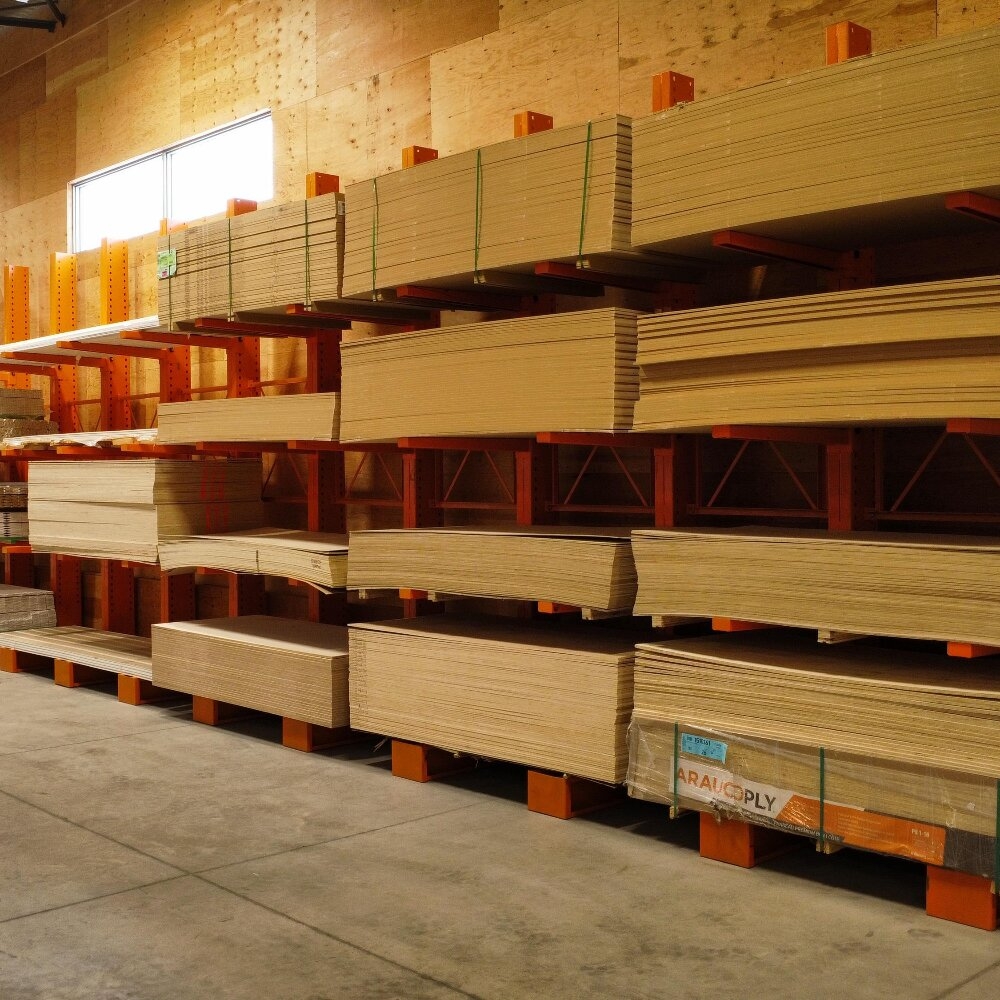
Most lumber yards will have stacks of plywood available in the following thicknesses:
- 1/4”
- 1/2”
- 5/8”
- 3/4”
Each of them is suitable for a specific set of applications. Let’s explore.
1/4” or 6mm Plywood: Best for light-duty applications
This is a quarter-inch plywood board, which, as you can tell, will not be suitable for structural applications. That means you are better off using it for surface coverage or finishing support.
Here’s a list of applications this thickness is best suited for:
- The backs of cabinets
- The bottoms of drawers
- Wall panel overlays
- Underlayment for smooth surfaces
Just remember not to use it for load-bearing walls, floors or roofs. Any other surface application where flexibility and weight reduction are prioritized over strength will do.
1/2” or 12mm Plywood: Best option for wall sheathing
If sourced from a reliable lumber yard, you can safely use half-inch plywood for light structural builds, whether residential or commercial. Its moderate structural capacity is good for a wide variety of different use cases as well:
- Sheathing for interior walls
- Sheathing for exterior walls
- Roof sheathing (for closely spaced trusses only)
- Shed walls
Just a little note – when using wood of this thickness for structural applications such as trusses, make sure you factor in stud or truss spacing, as that can directly impact its performance.
We recommend 1/2” plywood for 16” centers. Avoid it for 24” centers as the chances for deflection under snow loads increase significantly.
5/8” or 15.5mm Plywood: Best for building roofs
For Ontario construction projects, plywood that’s 5/8” thick is actually preferred for roofing purposes as it enhances the stiffness between trusses and improves the structure’s robustness overall. The result is a roof that is less likely to sag over time.
Other applications that you can use it for include:
- Roof sheathing in snow-prone regions
- Roof trusses with 24” spacing
- Structures that require a high deflection resistance
This size is actually perfectly capable of handling long-term snow loads without creeping. Most builders prefer it over plywood 3/4” thick.
3/4” or 18.5mm Plywood: Best for heavy-duty applications
With three-quarter-inch plywood, you get the strongest board for structural applications. Offering strong fastener hold and superior load resistance, this size is commonly used for residential subfloor systems – especially when the joists are spaced either 16” or 24” on center.
Other common uses include:
- Subfloors
- Workshop floors
- Storage lofts
- Heavy shelving systems
In fact, for high-load areas or floors fitted with tiles, 3/4” is the minimum thickness of plywood that’s recommended.
When Is Plywood Of Specialty Thickness Required?
For custom projects or certain types of builds, you might require plywood featuring non-standard thicknesses. Examples include:
- High-load platforms requiring 1” panels
- Marine-grade plywood for use in areas with high moisture exposure
- Exterior decks that demand pressure-treated plywood
- Fire-rated panels for code compliance
Conclusion
Selecting your plywood based on its thickness should not be a decision left to the last minute. The structural integrity of your project depends on it. While affordability and availability matter, do not let them be your sole criteria. Instead, turn to a reliable lumber yard that can help you find the right plywood for your needs.
Fonthill Lumber Inc. provides plywood of all grades, thicknesses, and sizes to builders and contractors in Ontario. Contact us to explore our range or visit our Welland yard to find the perfect building supplies for your project.
FAQs
Is 1/2” plywood strong enough for roofing?
While you can use it for roof trusses with 16” on center spacing, areas with heavy snow loads require a plywood thickness of 5/8”.
Is thicker plywood always better?
No, not necessarily. The thickness of the plywood you choose should match the structural requirements of your project for it to be a good choice.
Does truss spacing affect plywood thickness?
Yes. If your roof truss features wider spacing, it is better to use a thicker plywood and vice versa.
