
Engineered Wood: Best Applications In Residential Construction
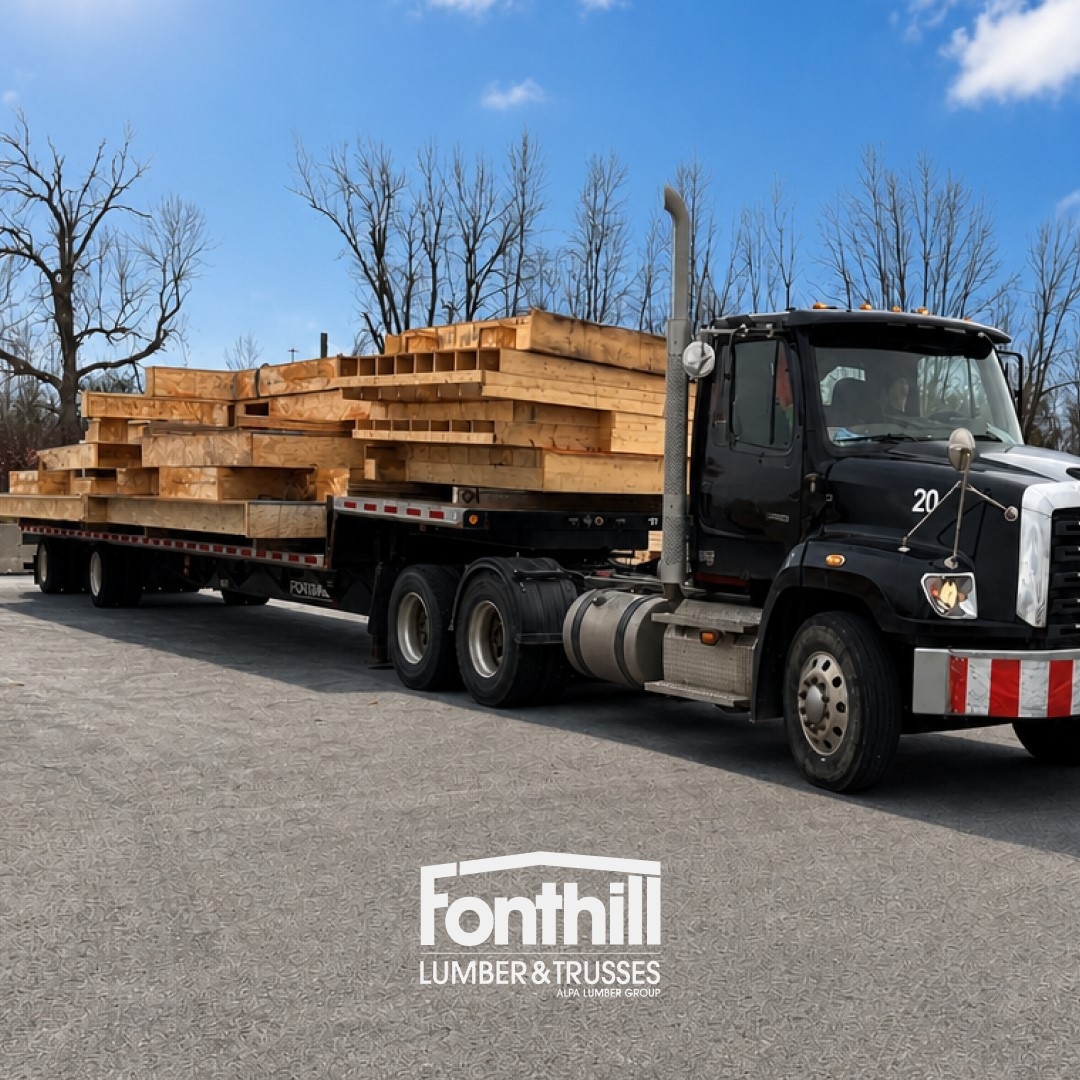
Built by binding layers, strands, or fibers of wood together, engineered wood is known for its strength and consistency. No wonder it is used to make a wide variety of products, including I-joists, laminated veneer lumber, and glulam, among others.
Builders prefer using engineered wood products as they are typically devoid of natural defects and are less likely to warp, twist, or shrink. This makes them a safe choice for structural applications that depend on the precise use of material to support long-term performance.
Contractors working with Fonthill Lumber Inc., Ontario’s top supplier of quality construction wood products, often use our engineered wood to complete their residential projects. In today’s blog, we will explore exactly what they use it for.
The Best Applications Of Engineered Wood For Residential Builds
Efficient and structurally accurate, engineered wood can be used for a host of residential construction applications, such as:
Structural beams and headers
Frequently used as beams and headers, engineered wood is capable of supporting high loads above openings, such as doors and windows. They are also used in open spaces. In fact, LVLs and glulams are known for their impressive load-bearing capacity – especially when compared with traditional lumber. This allows builders to create spaces with wider spans without the need for additional supports.
Structural beams and headers made of engineered wood are often found in open-concept homes and homes with very large windows.
Floor systems and joists
I-joists made of engineered wood are often used to build floor systems. Consistently strong, they support the construction of floors with long spans while minimizing material wastage.
As opposed to traditional joists, engineered systems offer several advantages, such as reduced deflection and bounce, the ability to span wider, and even performance across the floor. Since they are made-to-order as per the exact specifications of a project, they make installation easier and faster.
Roof framing applications
Engineered wood might even be used to build roof trusses. As part of a roof system, they offer the strength and stability these structures need to handle both live and dead loads.
Furthermore, engineered components, when used in complex roofs or those with large spans, maintain their structural integrity in the long run while reducing the odds of deflection. That is why they are commonly found in the roof systems of custom homes, larger residential units, and homes with unique roof layouts.
Stair stringers and framing components
Engineered wood products also find their way to the smaller components used to build a home, such as stair stringers and other framing structures. The reason for that is their consistency. It ensures accurate cuts and reliable performance, enabling builders to achieve clean finishes in applications that require precision.
When To Avoid The Use Of Engineered Wood Products
Although engineered wood products are the perfect choice for a wide variety of residential construction applications, there are certain exceptions to their use. It is best to avoid the use of engineered wood products in the following cases:
- Outdoor applications
- Applications in high-moisture areas
- Applications that require the aesthetics of natural wood
Learning about the limitations of engineered wood helps in the appropriate use of this versatile material.
Conclusion
The strength, consistency, and versatility of engineered wood make it a reliable choice for modern residential construction. From floors to roofs and everything in between, it can be safely used for a host of structural applications, delivering clean and dependable results.
Looking for high-quality engineered components to complete your residential construction project? Fonthill Lumber Inc. is one of Ontario’s foremost suppliers of premium engineered wood products. Contact us to get wood construction materials that improve the performance of every build.
FAQs
How should engineered wood be stored onsite?
It should be stored flat and elevated off the ground in a dry place to prevent moisture damage.
Can engineered wood be cut or modified onsite?
It is not recommended. However, if cuts are to be performed, the manufacturer’s guidelines must be strictly followed.
Is engineered wood treated for fire resistance?
Only those with fire-resistant treatments can be used for applications that require flame-repelling components.
