

Composite Decking: Adapting To Temperature Changes & Seasonal Expansion
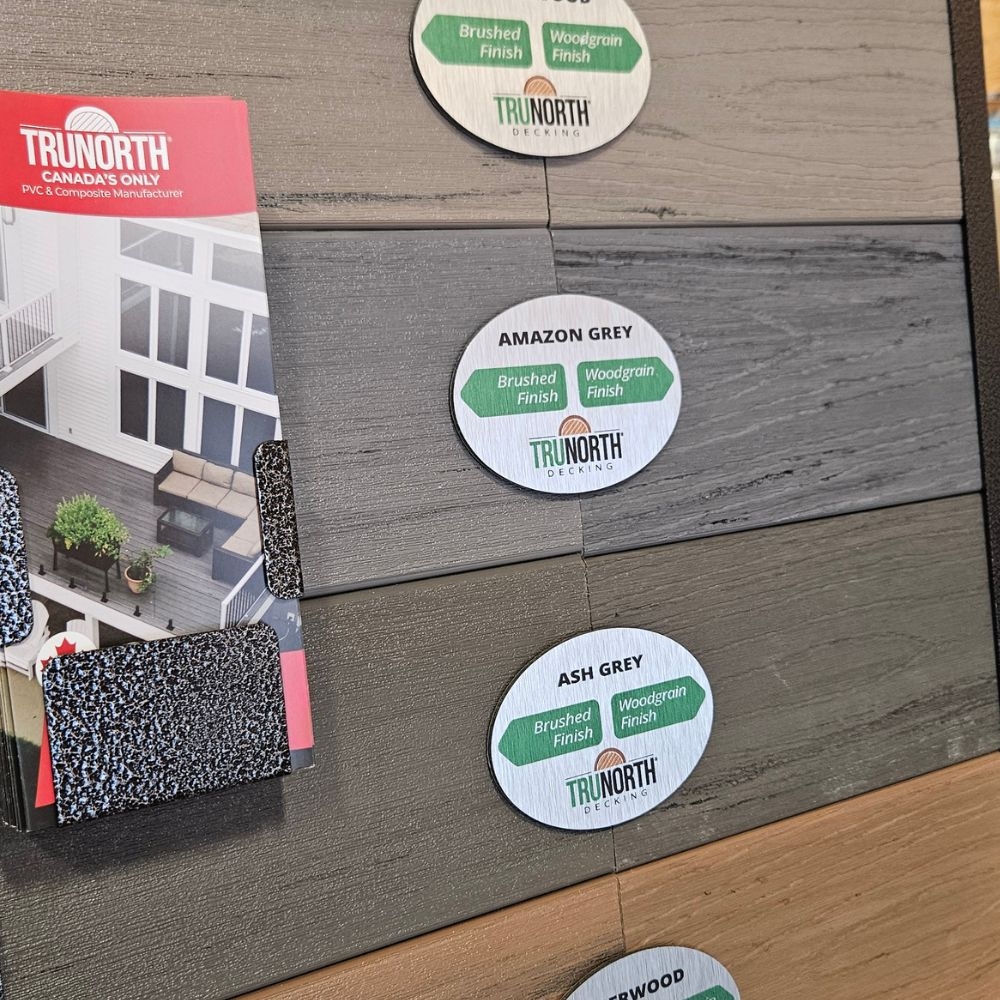
Cedar tends to dominate the world of deck construction in Ontario. A popular choice for building high-end decks, it certainly has a lot to offer in terms of durability, aesthetics, and performance. However, it is still not the best option for all outdoor projects – especially ones that are frequently exposed to wildly varying environmental conditions.
Composite decking is a great alternative instead. Engineered specifically for the conditions outdoor projects are most frequently subjected to, composite decking materials can withstand it all. From hot summers to freezing winters and rainy monsoons, installing them right ensures they can resist the effects of the weather to the best of their abilities.
But before contractors get to that stage, they need to understand how composite decking reacts to weather changes. In today’s blog, Fonthill Lumber Inc., Welland’s leading lumber yard, will reveal the impact of seasonal fluctuations on composite boards and why contractors should factor it into their installation plan.
The Effect Of Temperature & Seasonal Changes On Composite Decking
Made by combining wood fibers and plastic polymers, composite decking is tough. But it is not immune to temperature changes. As the mercury dips or soars, the boards respond in return, expanding when it is hot and contracting when it is cold.
While this might sound identical to how traditional lumber behaves, it is not quite the same. In the case of composite boards, their movement patterns depend on their specific material composition, board length, installation method, and surrounding temperature.
Ontario’s weather can make these movements prominent since the temperature in the province swings substantially throughout the year. But that does not mean anything is wrong with the boards. This is the default nature of composite materials, which can be effectively countered with clever installation planning.
How To Plan For Seasonal Expansion When Installing Composite Deck Boards
Planning the installation of composite deck boards in accordance with seasonal temperature variations is all it takes to preserve the deck’s long-term performance. Contractors must follow these tips for weather-proof installation:
-
Adhere to the manufacturer’s spacing requirements
All composite deck board manufacturers specify exactly how their products should be spaced, and builders should pay close attention to that. Instructions regarding end-to-end board spacing, side-to-side gaps, spacing around posts and walls, fastener placement, and temperature-specific rules should be diligently followed during the installation process. This helps in accommodating expected movement without affecting the integrity of the boards.
-
Account for installation temperature
It is not enough to factor in seasonal temperature fluctuations that take place in the future. Temperatures at the time of installation must also be accounted for in the board’s spacing strategy.
For example, if composite deck boards are being installed during a hot day in summer, it should be assumed that they have already expanded compared to what their size would be if they were being installed during frigid temperatures. For such specific scenarios, installers must go back to the manufacturer’s manual and figure out the most appropriate spacing measurements.
-
Plan around fixed structures
At certain points in the entire structure, decking will meet other components as well, including stairs, posts, railings, walls, picture-frame borders, etc. Paying extra attention to spacing around these structures is critical because expanding boards require adequate clearance to not damage adjoining components.
-
Avoid common installation mistakes
Common composite deck board installation mistakes include installing boards without proper gaps, using wood decking installation procedures that do not match composite decking requirements, and failing to check the substructure of the project. While the rest are self-explanatory, what we mean by the last one is that the substructure should provide the kind of alignment and support composite boards need to last long.
Conclusion
Composite decking might naturally respond to temperature fluctuations and seasonal changes, but that does not diminish its natural durability, aesthetics, and longevity. By maintaining the right spacing measurements between boards, contractors can deliver enduring decks that last decades without succumbing to the effects of the weather.
Looking for top-notch composite decking boards? Fonthill Lumber Inc. provides the widest selection of decking materials in Ontario. Our solutions can be specified to match the requirements of any project. Contact us to get durable, stable, and attractive deck boards.
FAQs
Can composite deck boards be cut and installed like wood?
Yes. Standard woodworking tools can be used to cut composite deck boards to size for proper installation. However, only manufacturer-recommended blades and installation methods should be followed.
Does composite decking become slippery when wet?
It might become slippery when wet, but it depends entirely on the board’s surface texture. Builders must choose boards that offer appropriate traction for safety.
Can composite decking be installed over an existing deck frame?
Certain cases might allow it, but the base frame should be structurally sound for it to work. It should also be properly spaced and leveled and should meet the requirements of the current composite decking project.
