
Applications of Plywood: Where & How Is It Used?
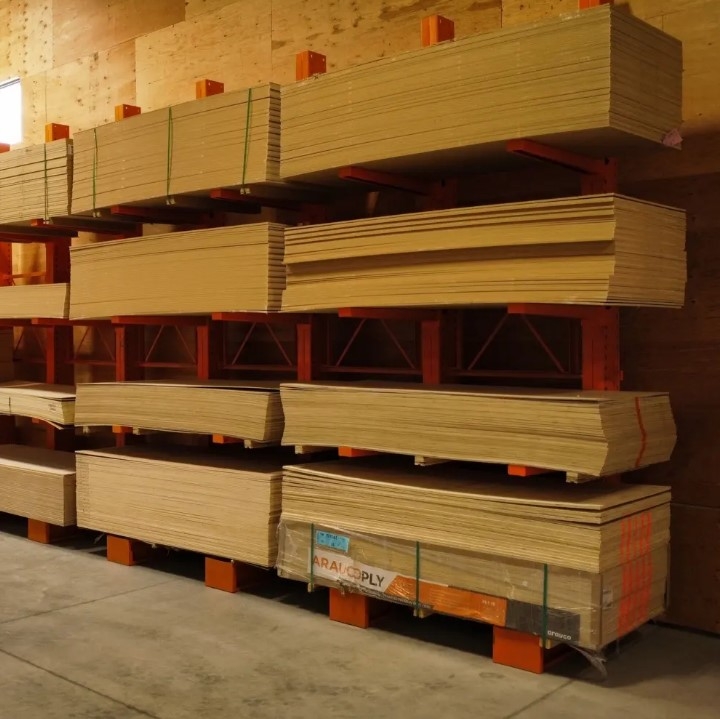
One of the most versatile and widely used sheet materials out there, high-quality plywood dominates the residential construction sector in Ontario. Featuring a layered construction that is strong, stable, and flexible, plywood truly extends the longevity of every project it is used in.
Builders and contractors who want to make the most of what this material has to offer must learn where to use it and how. In today’s blog, Fonthill Lumber Inc., suppliers of wood building materials in Ontario, will shed light on the best applications of plywood. Let’s begin!
What Are The Most Common Applications Of Plywood In Construction?
Plywood is available in a wide variety of grades and thicknesses, which consequently determine where it should be used. Builders must match the most appropriate panel with its intended use to deliver the best results.
Roof and wall sheathing
Plywood sheathing lends incredible strength and stability to roof and wall assemblies. It can be used to create a continuous protective layer over framing, thereby reinforcing the rigidity of the entire structure.
As for the best panel type to use, experienced builders recommend matching its grade and thickness with the requirements of the project concerned. The chosen plywood should also be able to accommodate the project’s load and spacing demands so there are no structural issues down the line.
Subfloors
Plywood performs exceptionally well as a subfloor material, thanks to its inherently stable structure. It is the perfect base for finished flooring as long as its panels are properly selected and installed. This ensures they are able to handle the expected amount of foot traffic without caving or bending.
However, before using plywood to build subfloors, contractors must consider their chosen panels' thickness, spacing, fastening, and installation requirements to ensure nothing is amiss.
Concrete framework
Certain types of plywood products can actually be used to lay the groundwork for concrete applications. Since plywood sheets have a smooth texture, they provide a consistent base for concrete to be poured on. They also maintain their shape, making them perfect for applications like curing. Builders must make sure they use specialized formwork plywood only, as it can withstand the impact of concrete without breaking.
Interior walls and ceilings
Plywood can be used for interior construction purposes as well. In fact, it is commonly used to build walls and ceilings – especially because it can be finished in any way the project demands. From painting and staining to being left exposed or covered with wallpaper, plywood’s versatility ensures it meets the architectural requirements of both traditional and contemporary spaces. In fact, its natural wood appearance makes it a useful choice for functional and decorative purposes.
Cabinets and built-ins
No other material comes close to plywood as far as building cabinets, shelves, and other storage systems is concerned. Its strength and consistent profile makes them a practical choice for storage systems that regularly handle heavy weights and dead loads. It is recommended to use higher-grade plywood for an attractive finish.
Furniture and woodworking
Apart from heavy-duty construction, plywood can also be used to make furniture and other woodworking projects. In fact, its larger-sized panels can be used to craft items such as tabletops, benches, and work surfaces without the need for complex joinery.
How To Choose The Right Plywood For Different Applications?
Not all plywood panels are interchangeable. Before selecting a panel, builders must evaluate the requirements of their project against the board’s grade, thickness, veneer construction, exposure rating, and intended use. Collaborating with an experienced lumber yard can help builders source the right plywood type for their applications. Using the right panel type preserves the long-term performance of the structure and prevents unnecessary added material expenses.
Conclusion
Plywood is an excellent choice for all major construction intents and purposes. From sheathing and subfloors to cabinets and furniture, it can be used across many stages of a single project’s development. The key is to choose the correct grade and thickness for each application. Fonthill Lumber Inc.’s sprawling flagship store in Welland, Ontario houses plywood of all grades, thicknesses, and types. Contact us to get the most compatible plywood products for your project.
FAQs
Can plywood be used to build outdoor structures?
Yes, as long as it is graded for exterior use or moisture-exposed applications. Choosing panels with an appropriate exposure rating is critical to ensuring they last.
What thickness of plywood is best for construction?
The most appropriate thickness depends entirely on the panel’s application. The project’s spacing, load, and framing requirements should also be considered.
What is the difference between structural and non-structural plywood?
Structural plywood is graded for use in structural applications such as sheathing, subflooring, etc., while non-structural plywood is used for all other applications.
